
Nutrition
Showing all 2 results
Nutrition
There is no perfect diet; there are only robust principles that outlast fads. Nutrient density, sufficient protein, polyphenols, fermentable fiber, and the feeding window.
Why it matters
PREDIMED (Estruch et al., NEJM 2013/2018): A Mediterranean diet with extra virgin olive oil reduced major cardiovascular events by approximately 301. Buettner: The Blue Zones share a vegetable-heavy pattern, daily legumes, caloric moderation, and community. TRE (window-restricted feeding) studies show metabolic benefits independent of total caloric intake in many contexts.
Macros — principles
- Protein: 1.6-2.2 g/kg in active ingredients; ≥30 g per dose with leucine ≥3 g for MPS.
- Carbohydrates: according to expenditure and sensitivity; nutritional density, unprocessed.
- Fats: Extra virgin olive oil, oily fish, nuts; minimize refined seed oils.
- Fiber: 30-40 g/day, mostly fermentable, supports microbiota.
Micronutrients with optimal ranges
- Vitamin D 25-OH: 40-60 ng/mL.
- Magnesium RBC: >6.0 mg/dL (intracellular, not serum).
- Ferritin: 50-150 ng/mL (not extreme).
- B12 + holotranscobalamin: active >50 pmol/L.
- Zinc/copper ratio: Balance, not blind megadoses.
What we audit
Real extra virgin olive oil (acidity <0.3%, high polyphenols), wild-caught fish with low mercury, whole grains, legumes, fermented products, and various polyphenols. And everything that should NOT be there: industrial seed oils, added sugars, and ultra-processed foods.

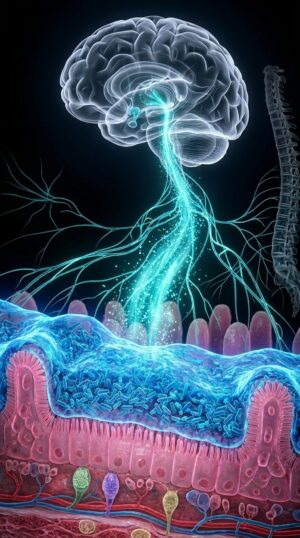
Gut-Brain Axis — Psychobiotic and Vagal Modulation
Where to buyPremium Omega-3 EPA/DHA with Lignans, Krill and Astaxanthin
Where to buy

In-depth guide — Operational nutritionWhat to really eat to lose weight (without magic diets)
The “secret” of weight is simple in thermodynamics and complex in behavior: sustained energy deficit + sufficient protein + nutrient density + adherence. Everything else — keto, Mediterranean, fasting, paleo — is vehicles Different paths to reach the same destination. Choose the one you can sustain for 12 months, not 12 days.
Caloric deficit
300-500 kcal/day below maintenance. More aggressive intake only under medical supervision and for short periods.
Protein
1.6-2.2 g/kg of body weight. Protects muscle mass during a calorie deficit and increases satiety.
Adherence
The best diet is the one you stick to for 80% of time, not the perfect 100% diet that you abandon in three weeks.
Universal principlesWhat all effective diets have in common
- Real food ≥ 80%: Vegetables, whole fruits, lean proteins, legumes, nuts, whole grains. If your great-grandmother doesn't recognize it as food, it's probably ultra-processed.
- Protein in every meal: 25-40 g per serving. Increases satiety ~25% more than carbohydrates and fats, and preserves lean mass during a deficit.
- Fiber 25-40 g/day: Fruits, vegetables, legumes, and whole grains. It nourishes the gut microbiota, regulates blood sugar, and increases satiety.
- Hydration: 30-35 ml/kg/day. Thirst is often mistaken for hunger.
- Fewer high-calorie liquids: Soft drinks, juices, and alcohol are the fastest way to get invisible calories.
- Sleep 7-9 h: Sleeping too little raises ghrelin (hunger), reduces leptin (satiety), and worsens insulin sensitivity the next day.
- Daily movement: 7,000-10,000 steps + 2-4 strength training sessions/week. NEAT and muscle are the hidden allies of the deficit.
Comparative mapThe most well-known diets — strengths, risks and who they are suitable for
No diet is "the best" in the abstract: there are contexts y people. This is the practical guide to choosing.
1. Mediterranean Diet
What is it: Extra virgin olive oil as the main fat, plenty of vegetables, fruit, legumes, oily fish, nuts, whole grains, and moderate consumption of dairy products and red wine. Occasional red meat.
Evidence: PREDIMED (NEJM 2013/2018) showed approximately 301 fewer major cardiovascular events. It was associated with lower all-cause mortality, improved cognition, and longevity.
Ideal for: Almost anyone. It's the most evidence-based pattern for general health.
Limitation: A calorie deficit is not automatic; it requires portion control if the goal is weight loss.
2. DASH
What is it: Designed for hypertension. High in fruits, vegetables, low-fat dairy, whole grains, lean protein; low in sodium (1,500-2,300 mg/day), sugar, and saturated fat.
Evidence: It reduces systolic blood pressure by 8-14 mmHg in hypertensive patients. It improves LDL cholesterol and insulin sensitivity.
Ideal for: hypertension, prediabetes, metabolic syndrome.
Limitation: It requires cooking; eating out complicates sodium control.
3. Low in Carbohydrate
What is it: 50-130g of carbohydrates per day. Emphasis on protein, healthy fats, and low-starch vegetables. Reduce bread, pasta, sugar, and flour.
Evidence: Rapid improvement in triglycerides, fasting glucose, and HbA1c. Weight loss similar to other diets at 12 months if calories are equalized.
Ideal for: insulin resistance, type 2 diabetes, fatty liver, uncontrollable hunger with carbohydrates.
Limitation: It hinders performance in high-intensity sports.
4. Ketogenic
What is it: <30-50 g of carbohydrates/day, ~70-80 kcal of fat, ~201 kcal of protein. Induces nutritional ketosis (BHB > 0.5 mmol/L).
Evidence: Solid treatment for refractory epilepsy. Useful in the short term for obesity and type 2 diabetes with professional monitoring.
Ideal for: therapeutic protocols, short cycles, certain metabolic profiles.
Limitation: Socially demanding, possible effects on lipids and performance. Not recommended long-term without supervision.
5. Paleo
What is it: Meats, fish, eggs, vegetables, fruits, nuts, seeds. Excludes dairy, legumes, grains and processed foods.
Evidence: It improves short-term metabolic markers, mainly by eliminating ultra-processed foods.
Ideal for: who needs a "reset" and to simplify their diet.
Limitation: Excluding legumes and whole grains is not based on sound principles; it can be expensive.
6. Plant-Based / Vegan, well planned
What is it: 100% plant-based (vegan) or predominantly plant-based with small amounts of animal products (flexitarian).
Evidence: lower risk of cardiovascular disease and type 2 diabetes; high fiber and polyphenol density.
Ideal for: ethical, environmental or cardiovascular health reasons.
Limitation: Monitor B12 (always supplement on a vegan diet), iron, omega-3 (EPA/DHA), zinc, and sufficient protein.
7. Volumetric
What is it: prioritize foods with low calorie density and high volume (vegetables, soups, fruits, lean proteins) to eat a lot with few calories.
Evidence: effective for weight loss through sustained satiety without strict calorie counting.
Ideal for: who feels that they are “always hungry” on other diets.
Limitation: It requires cooking and planning.
8. Blue Zones (Buettner)
What is it: Pattern observed in long-lived populations (Okinawa, Sardinia, Ikaria, Loma Linda, Nicoya): 95% vegetable, daily legumes, whole grains, nuts, stop eating at 80% of satiety.
Evidence: observational but consistent: longevity and low prevalence of chronic diseases.
Ideal for: long-term approach focused on longevity and well-being.
Limitation: It is a complete cultural pattern; transferring it requires adapting it to your context.
operating plateHow to build each meal (the plate rule)
Before discussing menus, establish the structure. If each dish adheres to this proportion, the nutritional deficit and density become automatic:
1/2 plate
Vegetables and greens (raw or cooked, minimum 2-3 colors).
1/4 plate
Lean protein (egg, fish, poultry, lean meat, legumes, tofu).
1/4 plate
Dense carbohydrate (brown rice, quinoa, potato, whole wheat pasta, legumes).
Duck 1-2 tablespoons of extra virgin olive oil and a small portion of fruit or natural yogurt if you want dessert. That meal provides around 400-600 kcal and delivers 30-45 g of protein.
Flexible weekly planWhat to eat each day — breakfast, lunch, dinner, and snacks
Mediterranean diet + high protein, ~1,700-2,000 kcal depending on portions. Adjust quantities to your needs. Lunch = light mid-morning (Spanish style); Meal = main lunch; Dinner at the end of the day.
| Day | Breakfast | Lunch (mid-morning) | Meal | Afternoon snack | Dinner |
|---|---|---|---|---|---|
| Monday | Oatmeal with Greek yogurt, red berries and walnuts. | Apple + 20g almonds. | Baked salmon, quinoa, arugula salad with extra virgin olive oil. | Plain unsweetened yogurt + cinnamon. | Egg white omelet with spinach and avocado; whole wheat bread. |
| Tuesday | Wholemeal toast with avocado, poached egg and tomato. | Pear + low-salt fresh cheese. | Grilled chicken, brown rice, steamed broccoli with lemon. | Hummus + carrot and cucumber sticks. | Pumpkin cream, stewed lentils with vegetables. |
| Wednesday | Greek yogurt, unsweetened granola, banana and chia seeds. | Mixed nuts (25 g). | Grilled tuna, roasted sweet potato, mixed salad with extra virgin olive oil. | Green tea + 1 ounce chocolate 85%. | Baked white fish with roasted vegetables. |
| Thursday | Smoothie: milk, whey protein, spinach, red berries, oats. | 2 tangerines + 1 handful of pistachios. | Chickpeas stewed with vegetables and a hard-boiled egg. | Cottage cheese + peaches. | Grilled turkey, quinoa salad with vegetables. |
| Friday | Scrambled eggs with tomato and extra virgin olive oil; wholemeal bread. | Natural kefir + nuts. | Wholemeal pasta with sardines, tomato and basil. | Apple + natural peanut butter. | Tofu or chicken stir-fry with vegetables and brown rice. |
| Saturday | Oatmeal and banana pancakes with Greek yogurt. | Seasonal fruit. | Lean grilled meat, baked potato, large salad. | Edamame cooked with sea salt. | Minestrone soup with legumes and Parmesan cheese. |
| Sunday | Bowl: yogurt, fruit, seeds, raw honey (optional). | Tea + 1 ounce chocolate 85% + nuts. | Seafood or vegetable paella; green salad. | Red berries + yogurt. | Cream of vegetable soup + French omelet. |
Smart snacksSnacks that actually help you lose weight
A useful snack has protein + fiber or healthy fat. Avoid those that only provide refined sugar or white flour: they give short-lived energy and bring back hunger with interest.
Satiating (150-250 kcal)
- Natural Greek yogurt + red berries.
- Apple + 1 tablespoon of almond cream.
- Cottage cheese + cherry tomato and extra virgin olive oil.
- Hummus + crudités (carrot, celery, cucumber).
- Hard-boiled egg + handful of olives.
- Edamame cooked with sea salt.
- Tuna in water + cucumber + lemon.
For occasions
- 1 ounce (28 g) of chocolate ≥85% cocoa.
- Homemade oatmeal cookies with banana.
- Smoothie with protein, fruit and milk.
- Wholemeal bread with extra virgin olive oil and tomato.
- Kefir + cinnamon.
- 1 handful (25 g) of unsalted nuts.
When to eat also mattersIntermittent fasting and eating window
Intermittent fasting (IF) is not magic: it is a structured way of eating less often, which for many people reduces total calories and improves metabolic markers. The strongest evidence is in the TRE (Time-Restricted Eating) of 12-14 hy in sustained 16:8 protocols.
12:12 — Basic Reset
12 hours without eating, 12 hours with a meal window. For example: closing time 8:00 PM, first meal at 8:00 AM. This is the initial and most sustainable step to start with.
For whom: People who snack at night or have breakfast very early out of habit.
14:10 — Mediterranean
14 hours fasting, 10-hour window. Compatible with social life and athletic performance.
For whom: metabolic maintenance, those who exercise gently while fasting.
16:8 — The Standard
Most studied protocol. Window 12:00-20:00 (without breakfast) or 9:00-17:00 (early dinner, better for blood glucose and sleep).
For whom: insulin resistance, fatty liver, weight loss.
18:6 — Advanced
6-hour window. Requires planning to reach target protein and micronutrients. Not daily.
For whom: users with experience in 16:8 and stable routines.
5:2 — By days
5 normal days + 2 non-consecutive days of 500-600 kcal. Maintains social flexibility.
For whom: who prefers "normal" days and two low-intake days.
OMAD — One meal a day
23:1. Useful occasionally (travel, long days), but difficult to cover protein and micronutrients in the long term.
For whom: occasional use, not a lifestyle.
How to start fasting without disasters
- It increases gradually: 12:12 for two weeks, then 14:10, and only then 16:8.
- During the window period, prioritize protein (1.6-2.2 g/kg) and whole foods. Fasting followed by eating ultra-processed foods doesn't work.
- Stay hydrated: water, tea, unsweetened coffee, and low-sodium broth have little effect on insulin.
- Electrolytes in fasting >14 h: 1-2 g sodium, 200-400 mg magnesium, 1-3 g potassium.
- If you do strength training, don't fast on the days of your most demanding training sessions.
Anti-patternsMistakes that sabotage any diet
- "Healthy" ultra-processed foods: "Fit" bars, sugary yogurts, commercial granolas, "light" breads. They increase calories without satisfying hunger.
- Insufficient protein: Losing weight without protein = losing muscle. Result: you weigh less but look worse and rebound faster.
- Excessive cardio, lack of strength: Without strength training, ~25-30% of the weight lost is lean mass.
- Weighing yourself daily and becoming obsessed: Weight fluctuates by 1-2 kg due to water and glycogen. Measures weekly averages and body composition.
- Restrictions on weekdays and lack of control on weekends: 4 days in deficit and 3 in excess → maintenance or gain.
- Underestimating alcohol: 7 kcal/g, low inhibition and blocks fat oxidation while metabolized.
- Sleeping little: 5-6 h/night can reduce fat loss by up to 55% with the same diet (Nedeltcheva 2010).
Realistic StackSupported supplements (not shortcuts)
Nutrition happens at the table. These supplements only make sense when the diet is already well-balanced.
- Protein powder (whey or vegetable): adhesion tool to reach 1.6-2.2 g/kg.
- Omega-3 EPA/DHA: 1-2 g/day if you do not consume oily fish 2-3 times per week.
- Vitamin D3: according to 25-OH levels (target 40-60 ng/mL); typically 1,000-4,000 IU/day.
- Magnesium glycinate/bisglycinate: 200-400 mg if the diet is low in leafy greens and legumes.
- Creatine monohydrate: 3-5 g/day. Supports strength, muscle mass, and cognitive function. One of the most studied.
- Fiber (psyllium): 5-10 g/day if you don't reach 30 g of dietary fiber.
Operation 90 DaysHow to apply all of this in order
- Weeks 1-2 — Baseline: Measure your weight, circumferences, photos, energy, and sleep. Calculate your approximate maintenance (weight × 30-35 if you are active).
- Weeks 3-4 — Building the plate: Apply the plate rule plus protein at every meal. Don't count calories yet.
- Weeks 5-8 — Moderate deficit: 300-500 kcal less. Enter a 14:10 window. Strength training 3 days/week + 8,000 steps.
- Weeks 9-12 — Fine-tuning: Check your metrics (energy, strength, sleep, measurements). If your weight plateaus for 3 weeks: -150 kcal or +1,000 steps.