

THE FILE COCA-COLABOUGHT SCIENCE, STOLEN WATER, AND THE PRICE OF A EMPIRE
Six Fronts of a Global Investigation — Public Health, Science, Water, Human Rights and Plastic
The Coca-Cola Company and its global network of bottlers have built one of the most extensive commercial hegemonies in the history of modern consumption, sustained by a public image of social cohesion and vitality. In contrast to this narrative, academic scrutiny and leaks of corporate communications obtained by the Freedom of Information Act (FOIA) and international court records have painted a considerably more complex picture, where externalities on health, water and regulatory frameworks are documented in verifiable sources.
This dossier synthesizes six vectors of systemic impact—the epidemiological burden of sugary drinks, covert funding of science, political influence and cyber espionage, water dispossession, accusations of anti-union violence, and plastic pollution—based on peer-reviewed literature, reports from specialized organizations, and published court rulings. Each claim is attributed to its original source.
The epidemiological basis: liquid sugar and diabetes
Sugar-sweetened beverages (SSBs) lack the satiety mechanisms of solid foods and are rapidly absorbed, leading to sharp glycemic spikes. Sustained consumption is associated with hyperinsulinemia, insulin resistance, and hepatic lipogenesis, pathophysiological substrates of type 2 diabetes and cardiovascular disease. A study from the Friedman School of the Tufts University, published in Nature Medicine In January 2025, it modeled the global burden directly attributable to these beverages.
Their figures outline a public health crisis: 2.2 million of new annual cases of type 2 diabetes and 1.2 million of new cases of cardiovascular disease attributable to SSB worldwide, with a disproportionate incidence in men and young adults. The geographical distribution reveals the burden in low- and middle-income countries:
| Region / Country | Type 2 diabetes (new attributable cases) | Cardiovascular disease |
|---|---|---|
| Colombia | More than 48% | — |
| Mexico | ~33% (almost a third) | — |
| Latin America and the Caribbean | Almost 24% | More than 11% |
| South Africa | 27,6% | 14,6% |
| Sub-Saharan Africa | More than 21% | — |
Between 1990 and 2018, global SSB consumption grew by at least one 16%, and almost a 23% Among children and adolescents, their intake reached double that of adults. In Mexico, young people average 10.1 servings per week. The remaining five fronts are built upon this clinical foundation.
Module 1 — The Manufacture of Doubt
The Global Energy Balance Network (GEBN)
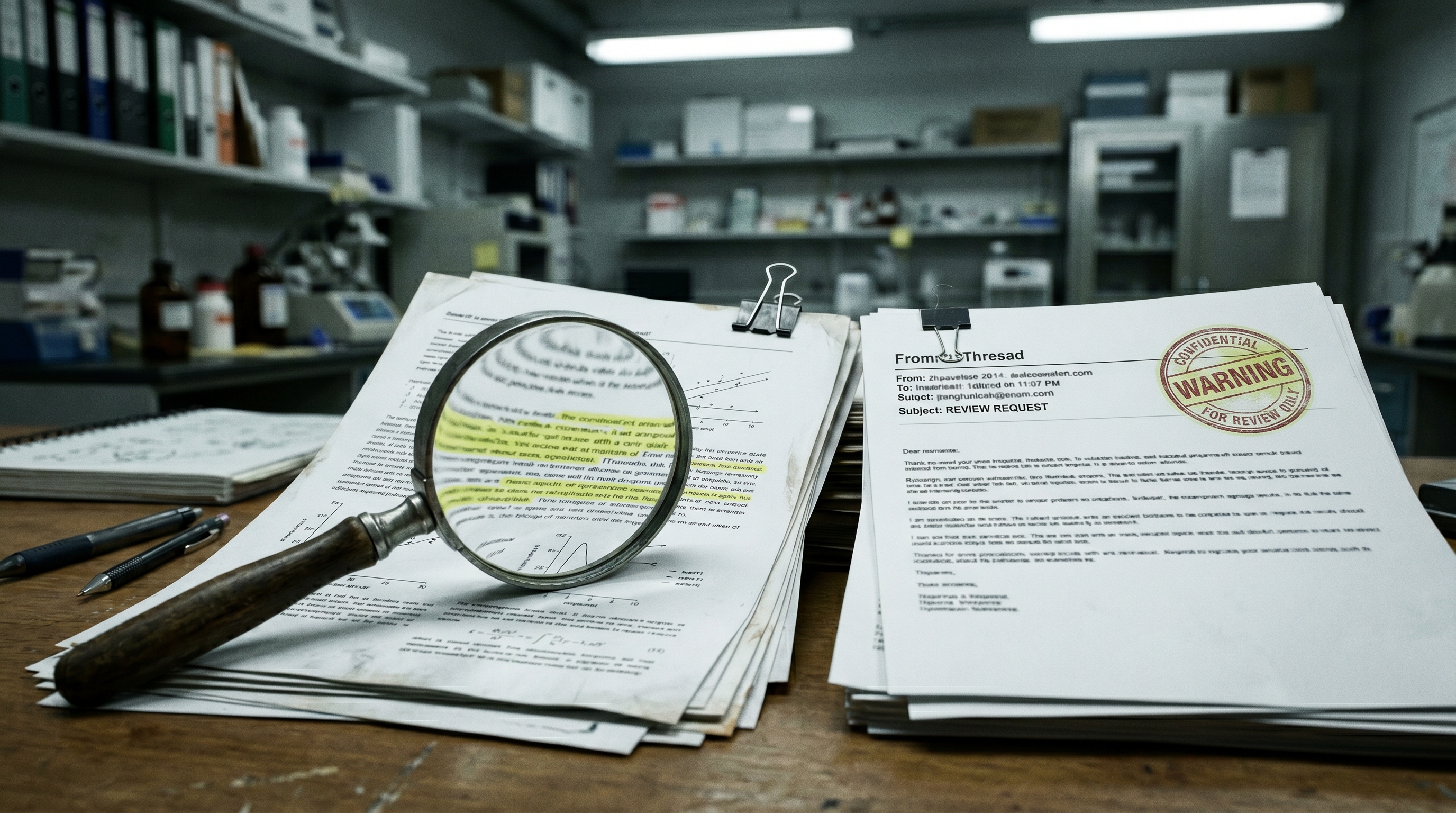
In 2015, an investigation by The New York Times, supported by thousands of emails released via FOIA by the group US Right to Know, he explained the architecture of Global Energy Balance Network. Presented as an independent academic group, the GEBN was conceived and funded almost entirely by Coca-Cola. Its central thesis held that the focus should be on physical activity—the «"energy balance"»— and not in reducing calories or sugary drinks.
Internal memos described the initiative in combat terms. According to emails cited by the press, the company's then-chief scientist warned of a «"Growing war between the public health community and private industry"», and the GEBN was explicitly conceived as an instrument for «"change the conversation"». The strategy consisted of presenting it as a «"honest intermediary"» that would promote public-private collaboration as opposed to strict regulation.
The company allegedly injected millions through donations categorized as «"unrestricted gifts"». The records also showed that the domain gebn.org It was registered in the name of Coca-Cola's headquarters in Atlanta, and the company helped select its leaders and edited the mission statement before the launch.
| Researcher / Entity | Role | Reported financing |
|---|---|---|
| Dr. Steven N. Blair | Vice President of GEBN | More than USD 3.5M since 2008 |
| Dr. James O. Hill | President of GEBN | USD 1 M as a "gift"« |
| Gregory A. Hand | Member of GEBN | USD 806,500 + USD 507,000 |
| GEBN (organization) | Seed capital | ~USD 1.5M |
Following publication, academic condemnation was immediate; several researchers compared the tactics to the manual of the «"merchants of doubt"» from the tobacco industry. The University of Colorado returned the million dollars, the chief scientist resigned in November 2015, and the GEBN was dissolved that same year, as documented. The BMJ.
The ILSI and obesity policy in China
The research of the Harvard anthropologist Susan Greenhalgh documented how, through the International Life Sciences Institute (ILSI) —founded in 1978 by a former Coca-Cola vice president—, the company influenced Chinese obesity policy between 1999 and 2015. In the five-year period from 2010 to 2015, the 60% The anti-obesity efforts sponsored by ILSI-China focused on exercise and only the 23% in calorie reduction, in contrast to WHO recommendations on taxes and advertising.
Module 2 — State Capture: The Mexican Paradigm

The "revolving door"«
Mexico is one of the company's strategic markets. Academic literature on corporate influence describes the phenomenon of «"revolving door"»: Vicente Fox, Before his presidency (2000–2006), he headed Coca-Cola's Latin American division. Researchers document that, during his administration and those that followed, the beverage industry enjoyed a favorable regulatory environment, with resistance to front-of-package warning labels and taxes on sugary drinks.
Pegasus spying against the soft drink tax
In 2014, Mexico approved a one-peso-per-liter tax on sugary drinks, a measure praised internationally. When civil society pressured to double the tax, a forensic investigation by the Citizen Lab A study from the University of Toronto revealed in 2017 that public health advocates were targeted by Pegasus, the spyware from the Israeli firm NSO Group, theoretically sold only to governments to combat terrorism and organized crime.
Among the objectives were the Dr. Simón Barquera (National Institute of Public Health), Alejandro Calvillo (The Power of the Consumer) and Luis Manuel Encarnación (ContraPESO Coalition). They received SMS messages containing social engineering and malicious links that, if activated, would have granted full access to their devices. The case revealed the use of military-grade surveillance against health activists, without any legal determination as to who ordered the attacks.
The Alvarado case: labor simulation and tax evasion
The lawsuit of the former executive Angel Alvarado Agüero, He was fired in 2007, according to his statements, after refusing to carry out anti-competitive tactics against a rival brand, and he uncovered a mechanism of «"work simulation"» through subcontracting schemes. The resulting complaints alleged the deprivation of profit sharing for workers and tax evasion, bringing the debate to the Tax Administration Service (SAT) and the Chamber of Deputies. The company maintained in its defense that Alvarado «"He was never employed"» direct, despite the payroll evidence presented.
Module 3 — The Plundering of Water: Chiapas and Plachimada
San Cristóbal de las Casas (Chiapas, Mexico)
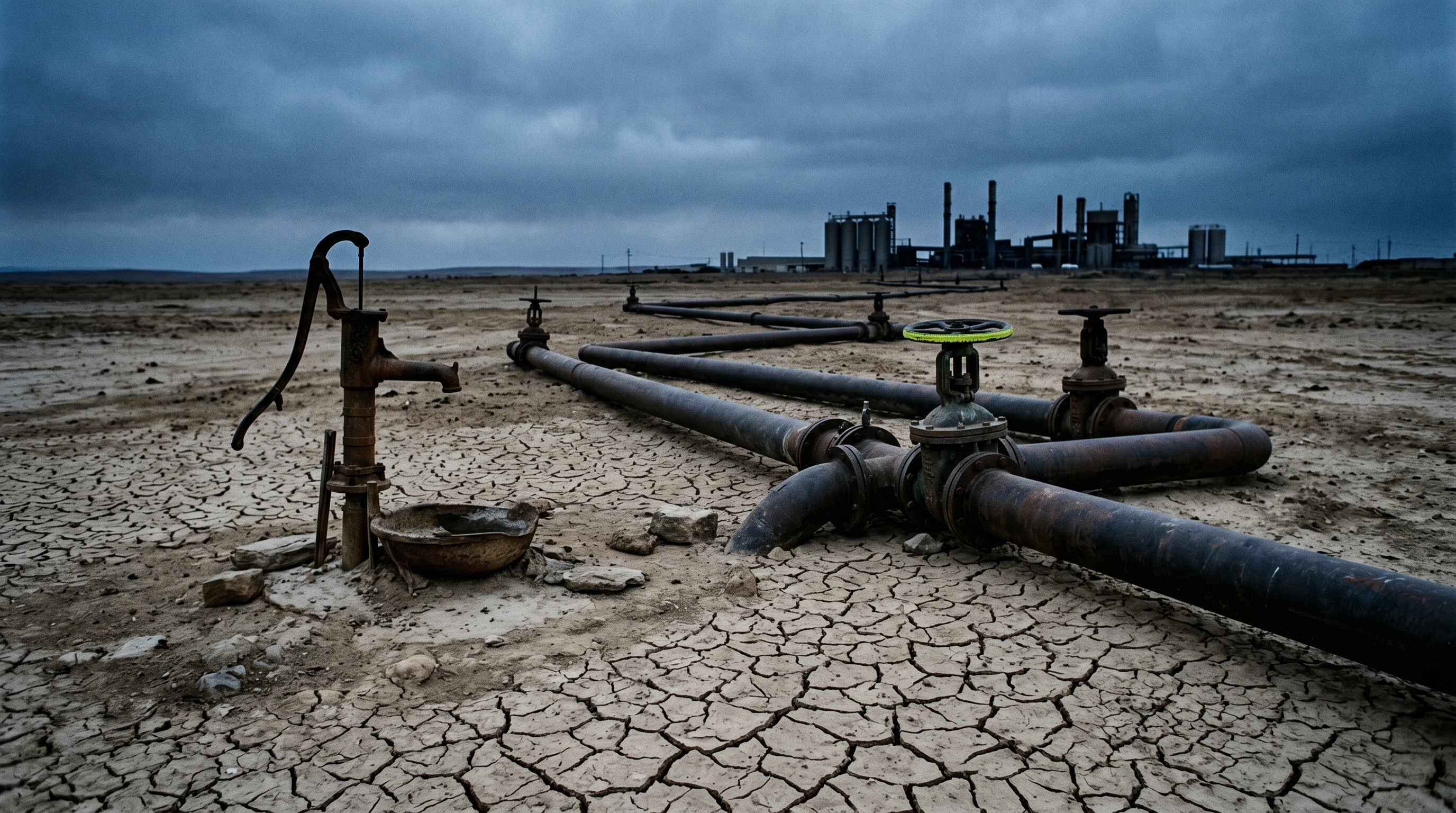
In Mexico's rainiest state, the collapse of the drinking water supply coexists with one of the highest diabetes mortality rates in the country. The plant operated by FEMSA It holds concessions from Conagua to extract more than 1.14 million liters per day from the Huitepec volcano aquifer, at rates that environmental organizations estimate to be around USD 155 by permit. Meanwhile, part of the population receives municipal water. «"three hours every two days"», with the presence of fecal coliforms and E. coli.
In this context of scarcity, Chiapas registers the highest consumption of Coca-Cola on the planet: 2.2 liters per day per person on average. In communities like San Juan Chamula, the soft drink has even been incorporated into syncretic religious ceremonies. Rural doctors report clinics are overwhelmed with amputations and diabetic comas; the state records more than 3,000 deaths annually linked to diabetes.
Plachimada (Kerala, India)
In the early 2000s, the bottling company Hindustan Coca-Cola Beverages extracted some 500,000 liters per day from the Plachimada aquifer. Within six months, the community wells began to dry up. The plant distributed as «"fertilizer"» a residual sludge that analysis by the University of Exeter, commissioned by the BBC Radio 4, They confirmed it was contaminated with lead y cadmium. A High Power Committee of the Kerala government assessed the damage at ~USD 28–30 M.
Led by indigenous women, the protests forced the plant to close in 2004. The company declared before the Supreme Court of India in 2017 that it would not reopen the facilities; according to reports, it has not yet paid compensation to the victims.
Module 4 — Union Blood and Plastic Tide
Colombia: the Sinaltrainal case
During the Colombian armed conflict, the union Sinaltrainal, The union, which represented bottling plant workers, suffered systematic violence. The leader was assassinated. Isidro Segundo Gil In 1996, within a plant operated by Panamco, it originated in 2001 a lawsuit in Florida under the Alien Tort Claims Act. It is important to note the outcome: the US courts They dismissed the claims —against the parent company in 2003 and against the subsidiaries in 2006, confirmed on appeal in 2009— as the link was not proven «"state sponsorship"» that jurisprudence requires. In parallel, a global coalition launched the civil campaign «"Killer Coke"», which achieved bans on the products on various campuses.
Guatemala: the INCASA plant
In the late 1970s and early 1980s, the Coca-Cola plant in Guatemala City was the scene of the murder of five union leaders. In 2010, the union organizer José Armando Palacios He filed a lawsuit in New York alleging armed raids and attempted murder to stop the workers' organization at the INCASA bottling plant.
Global leadership in plastic pollution
The movement Break Free From Plastic (BFFP), through brand audits with thousands of volunteers in dozens of countries, has identified Coca-Cola as the world's biggest corporate plastic polluter. In the 2023 audit, the company retained the title. sixth consecutive year, with 33,820 pieces of waste identified with its brand, exceeding the sum of several competitors combined.
The report «The Big Beverage Playbook for Avoiding Responsibility» The Conservation Law Foundation describes tactics to slow down deposit and return laws for containers (Bottle Bills), despite its proven effectiveness — Oregon recovers more than 71% of PET versus 8% from the municipal collection center—. Among the documented tactics are shifting the blame to the consumer, the astroturfing legislative and non-binding voluntary commitments.
Balance / Conclusions
First, There is a robust clinical basis: the Tufts model in Nature Medicine (2025) quantifies millions of cases of diabetes and cardiovascular disease attributable to sugary drinks, with a greater impact in Latin America and the Global South. This evidence provides context for the rest of the report.
Second, The covert funding of science—GEBN in the West and ILSI in China—is documented by journalistic investigations based on FOIA emails and by peer-reviewed academic work. The institutions involved themselves acknowledged the conflict of interest by returning funds and dissolving the structures.
Third, The political, water, and labor fronts combine verified facts (the Pegasus spying confirmed by Citizen Lab; the water concessions; the assessed damage in Plachimada) with litigation whose judicial outcome was, in several cases, the rejection. The distinction between documented evidence and proven legal responsibility is essential and is maintained throughout the dossier.
Room, On the environmental front, the country's leadership in reducing plastic pollution is backed by systematic citizen audits conducted over six years. The controversy has shifted from the data—which is hardly debatable—to the regulatory dispute over who bears the cost of post-consumer waste.
The case file doesn't reveal a single conspiracy, but rather a recurring pattern in which the defense of operating margin is repeatedly prioritized over public health, water resources, and regulatory frameworks. Documenting this with sources and nuance—not slogans—is the only way to make the conversation worthwhile.
Selected references
- Mozaffarian D. et al. (2025). Burden of disease attributable to sugar-sweetened beverages. Nature Medicine. (Tufts University).
- World Health Organization. Reducing consumption of sugar-sweetened beverages to reduce the risk of unhealthy weight gain in adults. WHO ELENA.
- O'Connor A. (2015). Coca-Cola Funds Scientists Who Shift Blame for Obesity Away From Bad Diets. The New York Times.
- Serôdio P. et al. Coca-Cola's 'war' with the public health community. Environmental Health News / J. Epidemiol. Community Health.
- The BMJ (2015). Coca-Cola funded group set up to promote “energy balance” is disbanded. BMJ, 351:h6590.
- Greenhalgh S. (2019). Soda industry influence on obesity science and policy in China. Journal of Public Health Policy.
- Carriedo A. et al. (2019). Coca-Cola's political and political influence in Mexico. (ResearchGate).
- Citizen Lab, Munk School, Univ. of Toronto (2017). Bitter Sweet: Supporters of Mexico's Soda Tax Targeted With NSO Spyware.
- Killer Coke. Coke's Crimes in Mexico (Alvarado file). killercoke.org.
- The Clemson Pendulum (2022). The Sweet Poison: Coca-Cola's Grip on Chiapas.
- Alliance for Water Stewardship (2024). Certification Report: Coca-Cola FEMSA, San Cristóbal de las Casas.
- Plachimada Coca-Cola Struggle (High Power Committee, Government of Kerala, 2001–2017).
- Sinaltrainal v. Coca-Cola Co., No. 06-15851 (11th Cir. 2009). Harvard Law Review.
- Courthouse News (2010). Unionists Say Coke Adds Death in Guatemala (JA Palacios case, INCASA).
- Break Free From Plastic (2024). 2023 Global Brand Audit Report.
- Conservation Law Foundation / Beyond Plastics (2022). The Big Beverage Playbook for Avoiding Responsibility.